Curcumin basics
Turmeric (Curcuma longa) is a rhizome plant native to South and Southeast Asia, the source of the familiar golden spice used in cooking and traditional medicine across the subcontinent for over 4,000 years. The bioactive fraction of turmeric responsible for its medicinal properties is the curcuminoid complex — typically standardised to curcumin (diferuloylmethane) content. Curcumin constitutes approximately 2-8% of crude turmeric powder, which is why standardised Turmeric extract (typically 95% curcuminoids) is used in effective dietary supplements rather than simple turmeric powder.
Curcumin is one of the most extensively researched phytochemicals in the human health literature, with over 15,000 peer-reviewed publications examining its mechanisms and effects. In the specific context of joint health, curcumin’s anti-inflammatory mechanisms have been studied in multiple randomised controlled trials, making it one of the best-evidenced natural anti-inflammatory compounds available.
NF-kB pathway and joints
The primary anti-inflammatory mechanism of curcumin relevant to joint health is NF-kB (Nuclear Factor kappa-light-chain-enhancer of activated B cells) inhibition. NF-kB is a transcription factor — essentially a master switch in immune cells that, when activated, initiates the production of dozens of pro-inflammatory cytokines including TNF-alpha, IL-1 beta, IL-6, and COX-2. In joint inflammation, NF-kB activation in synovial cells, macrophages, and chondrocytes drives the production of these inflammatory mediators that cause pain, swelling, and cartilage degradation.
Curcumin directly inhibits NF-kB activation through multiple molecular mechanisms including inhibition of IKK (IkappaB kinase) and suppression of IKKbeta phosphorylation. The result is a broad reduction in inflammatory cytokine production that reduces joint pain signals, synovial swelling, and the inflammatory environment that accelerates cartilage breakdown. This broad-spectrum inflammatory signalling reduction is distinct from Boswellia’s more specific 5-LOX enzyme inhibition — providing complementary anti-inflammatory coverage across different molecular pathways.
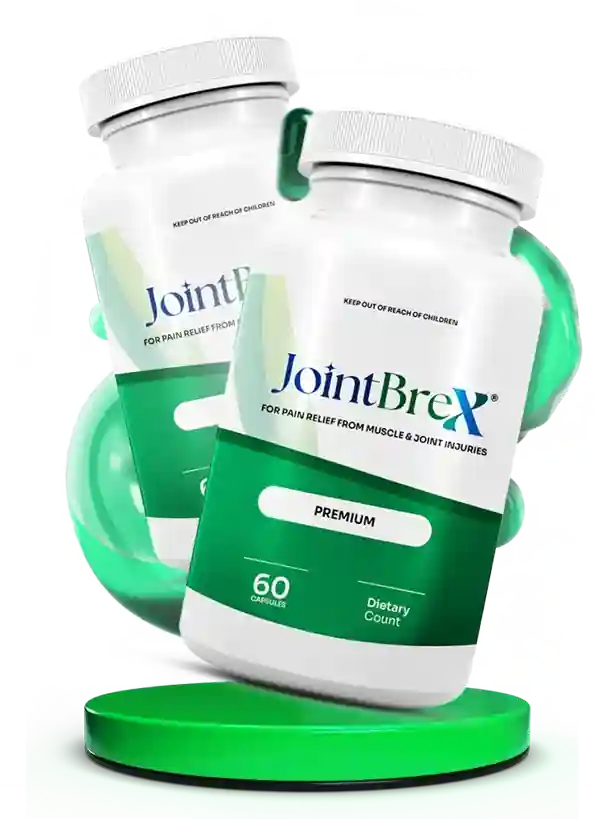
View the JointBrex formula, current pricing and the 60-day guarantee.
🧠 View JointBrexMorning stiffness and daily discomfort
Morning joint stiffness — the “rusty” feeling that requires time to loosen up after waking — is a direct consequence of inflammatory cytokine activity and synovial fluid viscosity changes during the reduced activity of sleep. The inflammatory signalling that NF-kB drives is particularly active in the early morning hours, which is why morning stiffness is a consistent and reliable symptom marker of inflammatory joint conditions.
Multiple clinical trials of curcumin supplementation have found significant reductions in morning stiffness duration and severity as a primary outcome measure. A randomised trial published in the Journal of Medicinal Food found that Turmeric extract supplementation produced statistically significant reductions in morning stiffness, joint swelling, and walking time in participants with joint discomfort, with effects comparable to a standard anti-inflammatory in the trial comparison arm.
Bioavailability considerations
Standard curcumin has relatively poor oral bioavailability when taken without food, due to its low water solubility and rapid metabolic clearance. Taking Turmeric-containing supplements like JointBrex before a meal — as the protocol specifies — is one practical strategy that significantly improves curcumin bioavailability: the presence of dietary fat in the meal improves curcumin’s absorption through the intestinal wall. Black pepper extract (piperine) is another commonly used bioavailability enhancer. JointBrex’s before-meal protocol ensures the meal environment is used to maximise the Turmeric ingredient’s absorption.
Turmeric in JointBrex
Turmeric curcumin occupies the NF-kB anti-inflammatory role in JointBrex’s six-ingredient formula — the broad-spectrum inflammatory cytokine reduction mechanism that addresses the daily joint discomfort and morning stiffness dimension of joint health. Alongside Boswellia’s 5-LOX leukotriene inhibition, Turmeric creates a dual-pathway natural anti-inflammatory system. Combined with Glucosamine and Chondroitin’s cartilage support and MSM’s connective tissue maintenance, JointBrex provides simultaneous support for all three main dimensions of joint health: structure, inflammation, and connective tissue integrity.
More articles
More on the JointBrex blog. Official site for pricing and guarantee.